
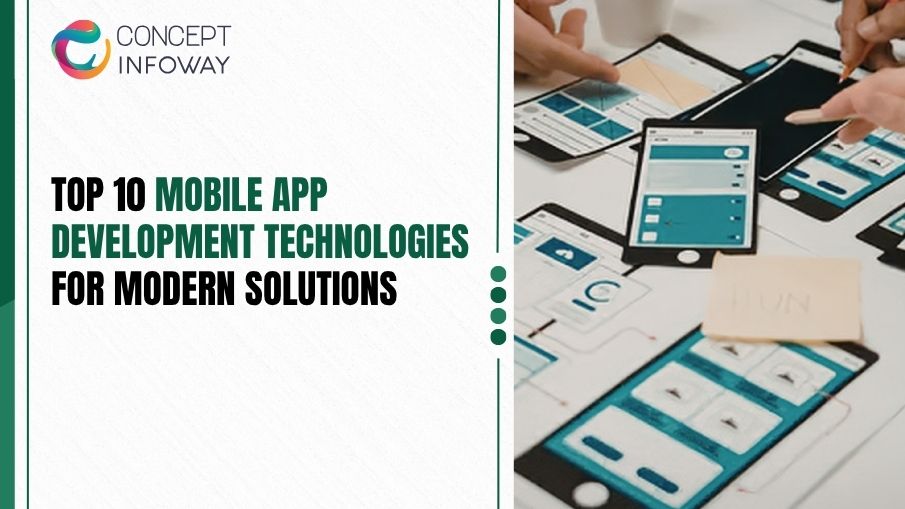
Top 10 Mobile App Development Technologies for Modern Solutions
Mobile app development technologies shape whether your app feels fast, reliable, and ready to support real business goals—or becomes expensive to rebuild later.
If you are planning a customer-facing app, an internal tool, or a specialized solution like a telehealth platform, the technology choices you make early will affect every part of the project.
For businesses in Greenville, Columbia, and across the Upstate, this topic matters because the right stack can lower long-term maintenance risk, improve user experience, and make future updates easier.
In the sections below, we will break down the most important technologies, explain where each one fits, and help you decide what matters most for your app strategy. This is where mobile app development technologies should be chosen for fit, maintenance, and user value.
What Mobile App Development Technologies Actually Do
The phrase mobile app development technologies covers the frameworks, languages, tools, and backend systems used to design, build, test, and maintain an app. In practice, these choices influence performance, development speed, cost structure, security, and how easily the app can scale as your business grows.
When businesses ask for custom app development, they are often focused on features first. That is understandable, but the technology stack underneath the features usually determines whether the app is easy to support after launch.
A well-chosen stack also helps an app development company Columbia SC teams collaborate more efficiently with internal stakeholders, designers, and backend specialists.
Why The Technology Stack Matters More Than Most Teams Expect
A polished interface can hide weak architecture for only so long. If the app must integrate with scheduling systems, payment tools, CRM software, or a private database, the stack has to support those connections cleanly.
The technology decision also affects future updates. Many businesses discover too late that their app was built quickly but not designed to evolve. That creates friction when adding login options, new reporting dashboards, or location-based features.
For growing teams, mobile app development technologies also shape how easily future features can be added.
How Strategy Should Shape The Build
A mobile application development Columbia project should begin with business goals, not just feature ideas. If your priority is broad reach, cross-platform development may make sense. If you need advanced device access, stronger native performance may be the better path.
At Concept Infoway LLC, we usually look at the app’s purpose, expected user behavior, and integration needs before recommending a build approach. That helps avoid overbuilding, underbuilding, or choosing tools that create maintenance headaches later.
Want to Turn Your App Idea into Reality? Start Your Project Today
Get a Free QuoteThe Top Mobile App Development Technologies To Know
The most useful mobile app technologies are the ones that support your actual business model. Rather than chasing trends, it is better to understand what each option does well, where it can be limiting, and when it is a strong fit.
In practice, mobile app development technologies need to support the app’s real business purpose.
Native Development For High Performance
Native development uses platform-specific languages and tools such as Swift for iOS and Kotlin for Android. It is often the right choice when performance, device-level features, and user experience need to be as strong as possible.
Native builds are common in apps that rely on smooth animations, detailed camera use, secure authentication, or offline functionality. They can also be a smart fit for regulated use cases where reliability and technical control matter.
Cross-Platform Frameworks For Broader Reach
Cross-platform frameworks let teams build for both major mobile ecosystems from a shared codebase. This can reduce development duplication and help businesses launch faster when they need to reach users on multiple devices. That is why mobile app development technologies should be compared through both launch needs and long-term support.
This approach is often attractive for startups, growing service businesses, and organizations that want to validate an idea before investing in separate native apps. The trade-off is that some advanced device features or performance demands may require extra engineering effort.
Flutter For Fast, Consistent User Experiences
Flutter has become popular because it supports visually consistent interfaces across platforms and can speed up development for many custom app development projects. Its widget-based structure gives teams flexibility when building branded experiences and reusable UI elements.
Flutter can be a practical choice for apps that need a strong design language, moderate complexity, and a single development path for both platforms. It is especially useful when your app needs to look polished without requiring a separate codebase for every device type.
Used well, mobile app development technologies reduce friction for users and development teams.
React Native For Teams With Web And JavaScript Experience
React Native is often a strong fit for teams that already work with JavaScript or React on the web. It can improve development efficiency when a business wants to reuse internal skills or maintain consistency across web and mobile products.
For many companies, this is a practical middle ground. It can support efficient launches and steady feature growth, as long as the project is planned with the right native integrations and quality control. The right plan keeps mobile app development technologies aligned with security, integrations, and scalability.
Backend Technologies That Support Real App Performance
A mobile app is only as useful as the systems behind it. Backend technologies handle data storage, authentication, content delivery, business logic, and API connections to other tools your company depends on.
Common backend choices may include cloud platforms, managed databases, APIs, and server-side frameworks built to support secure, responsive app behavior. The right backend setup is especially important if your app must serve different user types, process sensitive information, or support scheduled workflows.
API Integrations And Middleware For Connected Workflows
APIs allow your app to communicate with outside systems such as CRMs, payment gateways, analytics platforms, shipping tools, or appointment software. Middleware can help connect those systems without forcing everything into one rigid structure. For local businesses, mobile app development technologies can also influence budget predictability after launch.
This matters because many modern apps are not isolated products. They are part of a larger business process.
For example, a service app may need to move data from a lead form into a sales pipeline, while an internal app may need to sync with a team directory or HR system.
Cloud Services For Scalability And Reliability
Cloud services support hosting, data storage, authentication, notifications, and performance scaling. For many businesses, cloud-based architecture is now the practical default because it simplifies growth, improves availability, and supports remote access more easily than older setups.
The important decision is not whether to use the cloud, but how to use it well. Configuration, permissions, data handling, and cost controls all matter. A secure cloud setup can reduce operational friction, but a poorly managed one can introduce unnecessary risk.
That practical lens makes mobile app development technologies easier to evaluate before the build begins.
AI And Automation Features For Smarter App Experiences
AI-driven features are increasingly common in mobile applications, but they should be used with purpose. Chat assistance, content recommendations, predictive search, and automated triage can improve usability when they genuinely reduce friction for the user.
The key is to avoid adding AI just to sound modern. In practical terms, AI works best when it saves time, improves decision-making, or helps the app personalize the experience in a way users actually appreciate.
Security And Compliance Tools For Sensitive Use Cases
Security technologies include encryption, authentication protocols, role-based access, secure APIs, logging, and monitoring tools. For apps that handle financial, healthcare, customer, or employee data, these are not optional details. This is where mobile app development technologies should be chosen for fit, maintenance, and user value.
If your business is considering custom telemedicine app development or any other regulated workflow, the stack needs to be designed with privacy and access control in mind from the start.
Requirements can vary by use case and location, so a solution should always be validated against the specific rules that apply.
You May also like: 5 Mistakes to Avoid When Hiring an Best SEO Company Charleston SC
Turn Your App Idea into a High-Performing Product—Get Started
Get a Free QuoteHow To Choose The Right Technology For Your App
Choosing among mobile app development technologies becomes easier when you match the stack to the business model. The best choice is rarely the flashiest one. It is the one that fits the product’s purpose, launch timeline, maintenance capacity, and user expectations.
Start With The User Experience You Need
If your users need speed, reliability, and heavy device access, native development may be worth the added effort. If your priority is broad availability and faster rollout, cross-platform tools may be the better business decision.
Think through what users will actually do in the app. A simple content app has different technical needs than a field service platform, patient portal, or order management tool. For growing teams, mobile app development technologies also shape how easily future features can be added.
Match The Stack To Your Internal Resources
A successful app is not just built. It is maintained. If your team already supports web applications, APIs, or cloud systems, choosing technologies that fit your existing environment can make long-term support easier.
This is one place where working with an experienced app development company Columbia SC businesses can rely on becomes valuable. The right partner should help you think beyond launch day and consider support, updates, security, and scalability from the outset.
Consider Future Integrations Before You Commit
Many app projects start small and grow into something more operationally complex. You may begin with a basic scheduling app and later need payment processing, CRM sync, analytics, or customer messaging. In practice, mobile app development technologies need to support the app’s real business purpose.
That is why the architecture should leave room for expansion. A flexible stack often saves time later, especially when the business is adding features based on user feedback or growth requirements.
Balance Speed, Cost, And Long-Term Maintenance
There is always a trade-off between launch speed and long-term efficiency. A quicker build may get you to market sooner, but it can create technical debt if the app is hard to extend or maintain.
A more strategic mobile app strategy looks at the full lifecycle. That means weighing initial build effort against the cost of fixes, upgrades, hosting, and future feature requests. That is why mobile app development technologies should be compared through both launch needs and long-term support.
According to Market Research Future, the global Application Development market was valued at USD 162.33 billion in 2024 and is projected to grow from USD 224.34 billion in 2025 to USD 5,701.48 billion by 2035, representing a remarkable CAGR of 38.2% during the 2025–2035 forecast perio
You May also like: 7 Signs Your Business Needs Custom Software Development in Columbia
When Specialized Mobile App Technologies Make Sense
Some projects need more than general-purpose app development tools. Industry-specific requirements, device-level features, or sensitive data handling can change the technology decision quickly.
Telemedicine And Other Regulated Applications
Telehealth and healthcare apps often require secure authentication, protected data handling, reliable notifications, and clear user flows. The technology stack has to support those needs without making the experience confusing for patients or staff.
For custom telemedicine app development, the right approach usually includes careful planning for compliance, access permissions, and system integrations. The technology should support the workflow, not complicate it. Used well, mobile app development technologies reduce friction for users and development teams.
Field Service, Logistics, And Operations Apps
Apps used in the field often need offline access, GPS features, scanning tools, or real-time status updates. Those functions can be difficult to support well if the underlying framework is not chosen carefully.
This is where practical testing matters. A solution that looks fine in a demo may struggle in real-world conditions where signal strength, device variation, and fast data entry are daily realities.
Ecommerce And Customer Engagement Apps
Retail and ecommerce apps depend on fast browsing, secure payments, product syncing, and smooth checkout behavior. The chosen technologies should make inventory updates, promotions, and customer communication manageable on the backend. The right plan keeps mobile app development technologies aligned with security, integrations, and scalability.
If the app is part of a broader ecommerce stack, integration quality is often more important than visual polish. The app has to work cleanly with product data, order systems, and marketing tools.
You May also like: How to Choose the Best Website Design Agency in Greenville
Ready to Turn Your App Idea into Reality? Call Our Experts
+1 832 290 9522What A Smart Development Process Looks Like
The best technology choices are only useful when the build process is disciplined. Teams that rush through planning often end up revisiting architecture decisions halfway through the project, which can slow down delivery and raise costs.
Discovery Should Define The Real Requirements
Good app planning starts by documenting the actual business problem, the user journey, and the systems that need to connect. This stage often reveals hidden requirements such as role-based access, data approvals, or reporting needs. For local businesses, mobile app development technologies can also influence budget predictability after launch.
It also helps separate must-have features from nice-to-have ideas. That distinction can keep the project focused and avoid unnecessary complexity.
Prototyping Reduces Risk Before Full Development
Clickable mockups or early prototypes can reveal navigation issues, screen flow problems, and missing logic before the full build begins. That is especially useful when leadership, sales teams, operations, and technical teams all have different expectations.
That practical lens makes mobile app development technologies easier to evaluate before the build begins.
We have seen many projects improve simply because stakeholders could react to a prototype instead of imagining the app from a document. That saves time and avoids expensive rework.
Testing Should Reflect Real Usage
Testing should cover more than whether buttons work. It should check data handling, login behavior, mobile responsiveness, loading speed, and integration reliability under realistic conditions.
For business apps, testing should also include edge cases. What happens if a user loses connection? What happens if a record is edited twice? Those details often decide whether the app feels dependable. This is where mobile app development technologies should be chosen for fit, maintenance, and user value.
Post-Launch Support Is Part Of The Technology Decision
A mobile app is a living system, not a one-time deliverable. After launch, you may need bug fixes, version updates, analytics review, security monitoring, and performance tuning.
That is why the build should include a support plan. The strongest technology choice is the one your team can maintain confidently after the first release.
Wrapping Up
The right mobile app development technologies do more than power an app. They shape how well it performs, how easily it can grow, and how confidently your team can support it over time.
If you are planning custom app development in Greenville, Columbia, or the surrounding South Carolina market, the smartest move is to start with your business goals and user needs, then choose a stack that supports both now and later.
At Concept Infoway LLC, we help businesses evaluate those trade-offs, plan practical mobile app strategy, and build solutions that fit real operational needs instead of just short-term feature lists. For growing teams, mobile app development technologies also shape how easily future features can be added.
FAQs About Mobile App Development Technologies
Mobile app development technologies are the tools, languages, frameworks, and backend systems used to build and support an app. They affect performance, maintenance, integrations, and how easily the app can scale.
The best choice depends on your goals, budget, and user needs. Native tools work well for performance-heavy apps, while Flutter or React Native can be a practical fit for faster cross-platform custom app development.
Start with the user problem, required features, and future integrations. Then compare long-term support needs, launch speed, and maintenance costs so your mobile app strategy matches the business outcome you want.
Neither is always better. Native development is often stronger for advanced performance and device access, while cross-platform development can reduce time and cost when you need one app for both major platforms. In practice, mobile app development technologies need to support the app’s real business purpose.
A business should consider custom telemedicine app development when it needs secure patient access, appointment workflows, protected data handling, and integrations that off-the-shelf tools do not support well.
Look for a team that understands strategy, integrations, testing, and post-launch support, not just design. An experienced app development company Columbia SC businesses trust should help you plan for long-term reliability.
Quite a bit. Strong mobile application development Columbia projects begin with user goals, feature prioritization, system integrations, and support planning so the build stays focused and scalable. That is why mobile app development technologies should be compared through both launch needs and long-term support.